
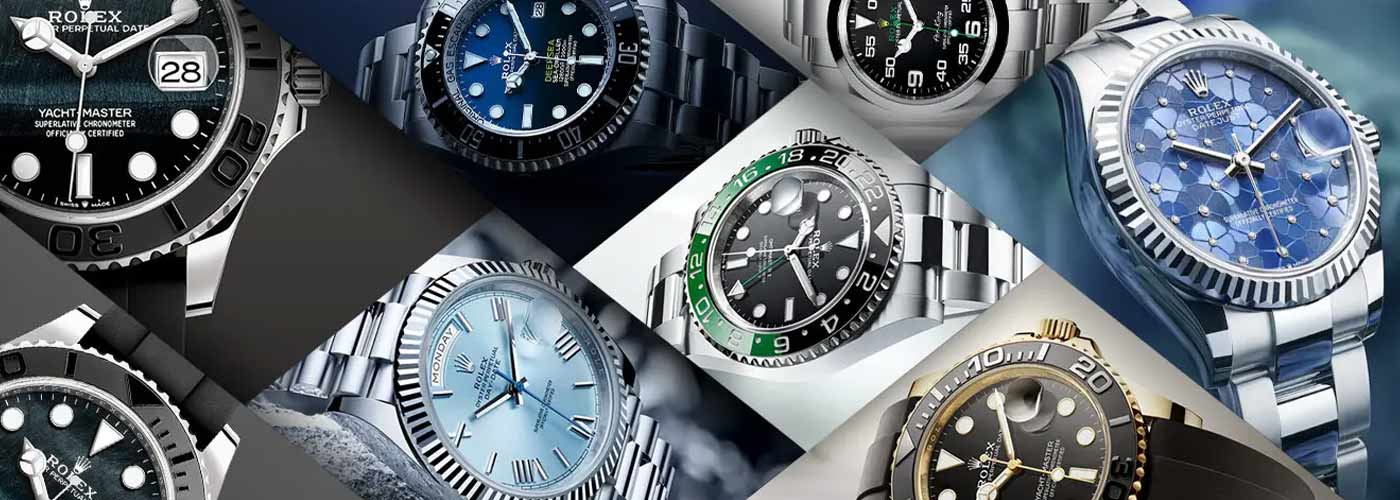

2026 Rolex Retail Prices
According to a leak shared by WatchPro, Rolex is expected to raise retail prices by an average of around 7% in 2026. The leaked image offers an early look at revised pricing for select models. Based on the figures shown, stainless steel references are seeing an average increase of roughly 5.6%, while gold models are set for steeper hikes with about 8.7% average.
To put this into context, Rolex has already raised prices twice this year. The first increase came in January 2025, with prices climbing by roughly 5%, largely attributed to inflationary pressures, currency fluctuations, and rising gold costs. A second hike followed in May 2025, triggered by an additional 10% tariff introduced by President Trump, pushing prices up by a further average of around 4%.
What Prices to Expect?
| Reference | Model | Material | Case Diameter | 2026 Price in USD | 2026 Price in AED |
| 116900/126900 | Air-King | Oystersteel | 40mm | $8,150 | AED 29,910 |
| 126300 | Date-Just | Oystersteel | 41mm | $8,950 | AED 32,860 |
| 126655 | Yacht Master | Everose Gold | 40mm | $35,900 | AED 131,807 |
| 228239 | Day-Date | 18ct White Gold | 40mm | $51,600 | AED 189,500 |
| 124060 | Submariner | Oystersteel | 40mm and 41mm | $10,050 | AED 36,913 |
| 126619LB | Submariner | 18ct White Gold | 40mm | $52,100 | AED 191,460 |
| 126710 BLNR | GMT-Master II | Oystersteel | 40mm | $11,800 | AED 42,237 |
| 126500LN | Cosmograph Daytona | Oystersteel | 40mm | $16,900 | AED 62,019 |
| 126509 | Cosmograph Daytona | 18ct White Gold | 40mm | $56,400 | AED 207,100 |
The leaked pricing table gives us a clearer picture of how these increases actually play out at a model level. Entry steel references like the Air-King and Datejust appear to be facing relatively modest hikes, sitting just over the 5% mark for January 2026. Even the steel Submariner and GMT-Master II fall into a similar range, reinforcing the idea that Rolex is still being cautious with its core stainless steel sports models.
Where the jump becomes more noticeable is in precious metals. Gold references across the board are seeing sharper increases, with most landing between 8.5% and 9%. Models like the Day-Date in yellow gold and the white gold Daytona stand out, not just for their absolute price jump, but for how much faster they’ve climbed compared to their steel counterparts. This aligns closely with rising gold costs and Rolex’s long-standing strategy of widening the gap between steel and precious metal pricing.
Also Read – Trump’s 39% Tariff on Swiss Watches: What It Means & How Will It Affect the Prices?
Taken together, the numbers tell a familiar story. While the average increase sits around 7%, the real impact depends heavily on the material. Steel remains relatively accessible by Rolex standards, while gold continues to move further upmarket. If these figures hold, buyers considering a precious metal Rolex in 2026 may want to act sooner rather than later, especially given how consistently these Rolex price increases have compounded over the past two years.
Buy Now or Wait?
If history is anything to go by, waiting rarely works in a buyer’s favor when it comes to a Rolex. A 5–7% retail increase may not sound dramatic on paper, but once taxes and regional pricing are factored in, the real-world difference can be significant. This becomes even more relevant for gold models, where price hikes tend to be steeper and more consistent year after year.
For stainless steel models, even though the percentage increase is smaller, availability remains the bigger challenge. In most cases, buyers who already have an allocation lined up are better off completing the purchase before a price revision rather than hoping for improved access later. Historically, price increases have not led to shorter waiting lists.
Impact on the Secondary Market
Retail price increases almost always ripple into the secondary market. The effect is not always seen immediately after the retail prices have increased but slowly you will start noticing your favorite Rolex Pepsi getting more expensive on the secondary market, isn’t immediate.
In the secondary market, gold models often see a slower, more measured response to the retail price hike, as higher entry prices naturally narrow the buyer pool. Still, over time, repeated retail increases tend to reset price expectations across the board. For buyers and sellers alike, these adjustments reinforce why timing matters just as much as the model itself.


